7 min
Double-entry bookkeeping records every business transaction in at least two accounts, so that debits equal credits. One side shows what came in; the other shows what went out or what you now owe. The two sides stay in balance, which is how a ledger catches errors and produces reports such as a profit and loss.
8 min
A business activity statement (BAS) is the form GST-registered businesses use to report and pay GST and other business taxes to the ATO, including PAYG withholding and PAYG instalments. If you're registered for GST you need to lodge one, even when there's nothing to report. Most smaller businesses lodge quarterly, with due dates shown on the statement.
8 min
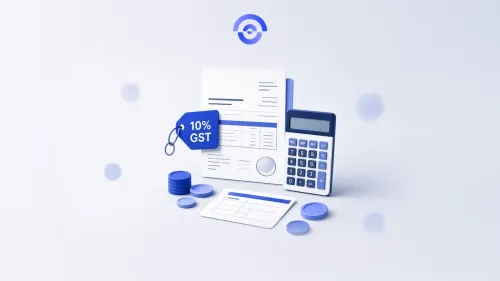
GST (goods and services tax) is a 10% tax on most goods, services and other items sold or consumed in Australia. GST-registered businesses add it to their prices, claim back the GST included in their business purchases, and report the difference to the ATO on their BAS. You must register once your GST turnover reaches $75,000.
8 min
An AI bookkeeper is software that does your day-to-day bookkeeping: it pulls in bank transactions, categorises them, matches receipts and invoices, and keeps your reports current. In Australia it doesn't replace the people responsible for your tax. You still own your records, and your accountant or BAS agent reviews and approves before anything is lodged.

6 min
The working from home fixed rate is 70 cents an hour for 2024–25 and 2025–26. From 2026–27, a new $1,000 standard deduction applies automatically. What the rate covers, the records you need, and how the two interact.

7 min
Division 296 is now law and commences 1 July 2026. How the $3 million super tax works on realised earnings, the SMSF cost-base reset, and what firms should advise.

7 min
Payday Super, ATO interest, WFH rate, minimum wage, parental leave and more. Every change hitting Australian businesses on 1 July 2026, and what to do about each.

7 min
The ATO's 2026 tax time focus areas: work-related deductions, omitted income, rental properties, and its warning on AI and finfluencer tax advice. What firms should know.
6 min
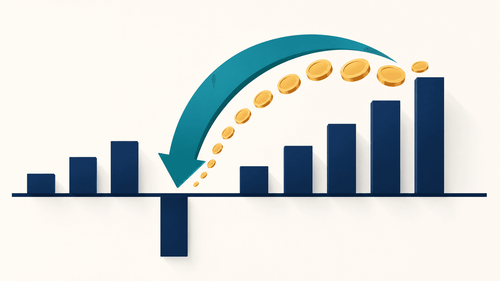
Loss carry-back is law again from 2026–27 for corporate tax entities under $1 billion turnover. Who qualifies, how the franking account cap works, and what firms should check before claiming.
8 min
The 2026 Budget proposes a 30% minimum tax on discretionary trusts from 1 July 2028. How it works, who is affected, and why firms should review but not restructure yet.